


The project at a glance
- Project: Condominio Sorrento, a private residential condominium.
- Location: Tuluá, Valle del Cauca, Colombia.
- Site: rural hillside land with views over the valley.
- John’s role: project director, and technical engineer of the condominium.
- Work shown here: survey, earthworks and internal roads, water storage and treatment, common areas, and houses.
- House shown: 350 m², with all the designs and the construction carried out as part of the project.
- House design and construction: December 2019 to September 2020.
- Result: the house was finished on time and within budget.
To be clear about what this case is: John directed this project. It is experience in running a build from the inside, not an oversight engagement for an outside client. Costs are not published on this page.
Why the order of the work matters
On rural hillside land, a house is the last thing you build. First the land has to be measured, then you need a way to reach each plot, and then water. If these come late, the houses cannot be built properly or cannot be used when they are finished.
That is also what a buyer of rural land should check before paying. See our guide to buying land in Colombia.
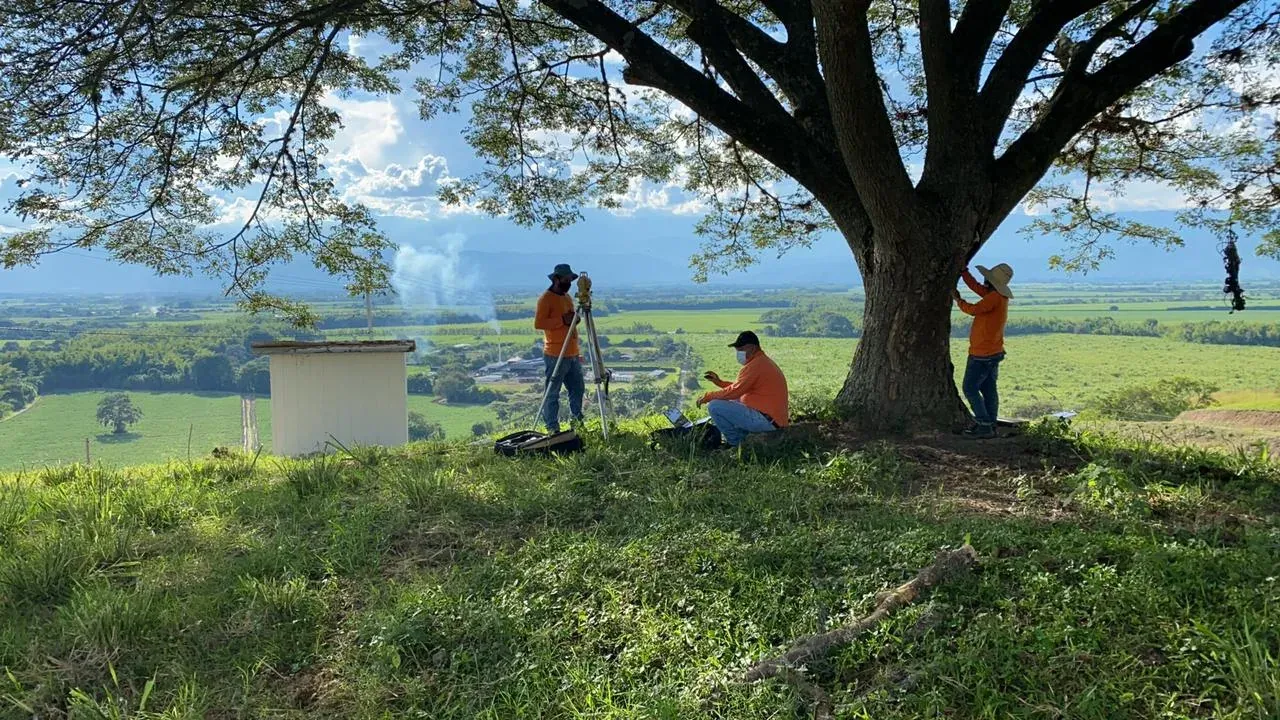
Stage 1: Survey
The work starts with a topographic survey: the real shape, levels and limits of the land. Everything that follows, from the roads to the position of each house, is set out from these measurements.
Condominio Sorrento, Tuluá, Valle
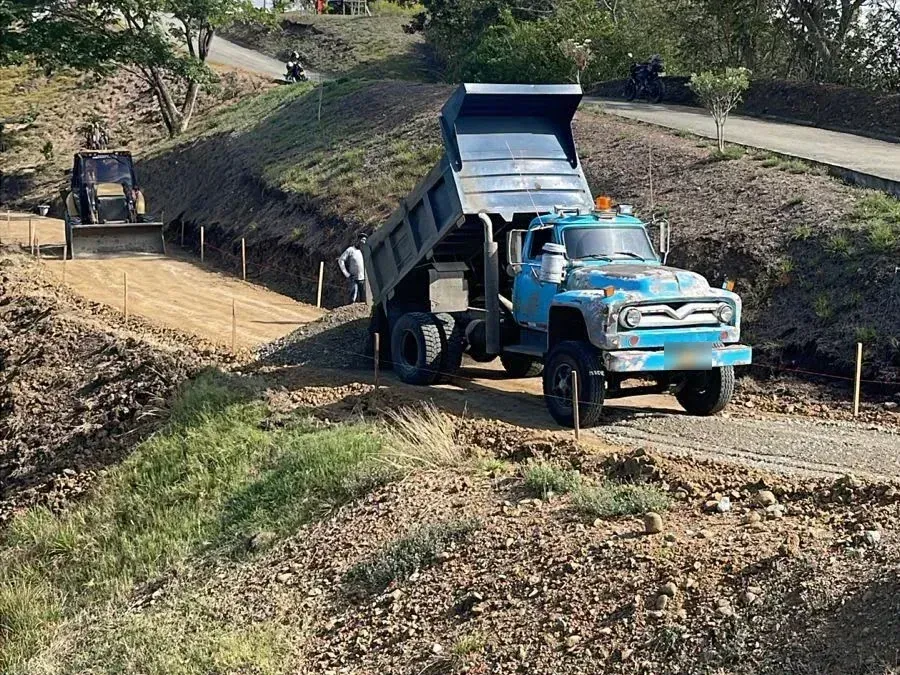
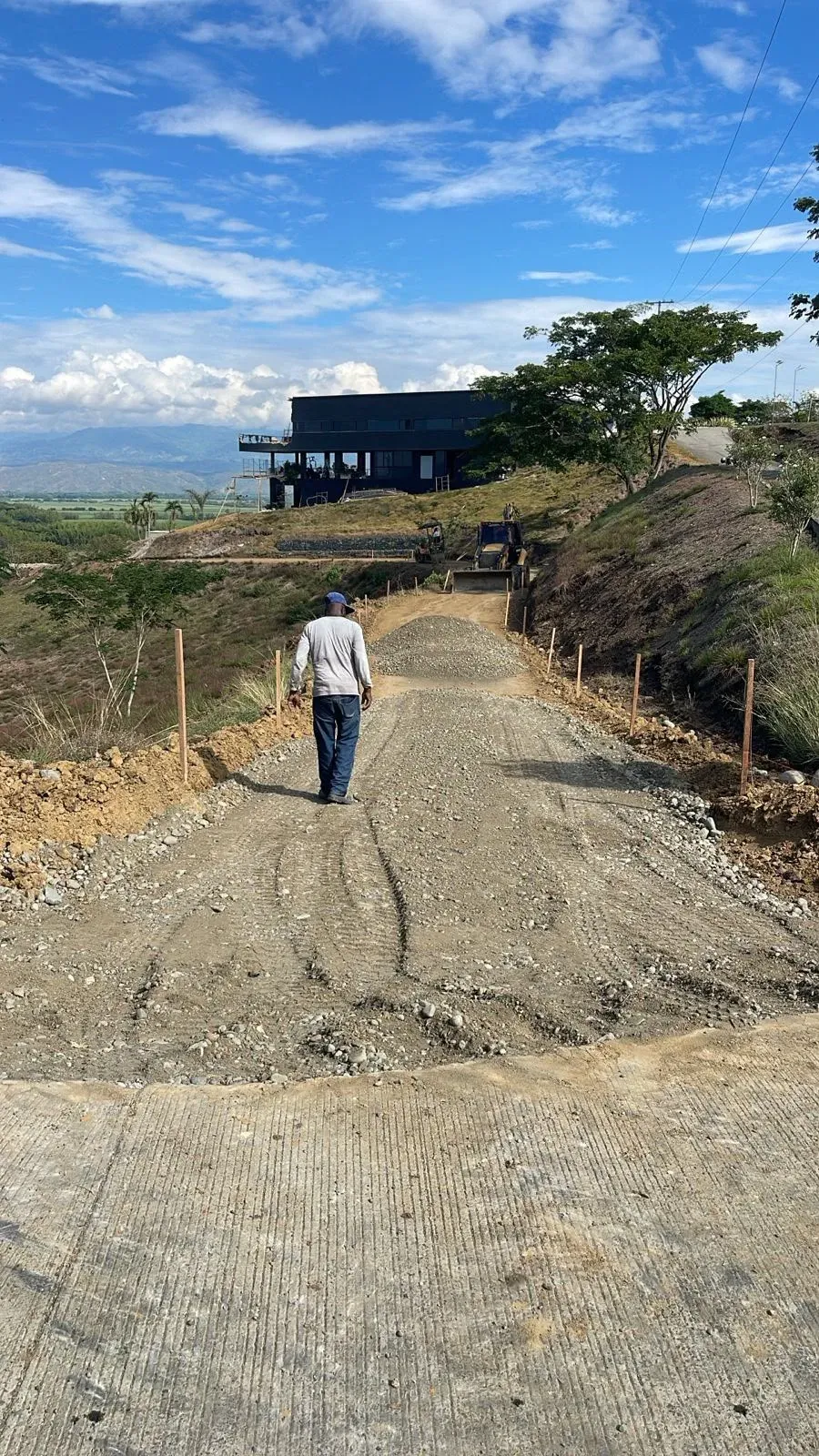
Stage 2: Earthworks and internal roads
The internal roads are cut into the slope, shaped and compacted, and then given their base layer. On a hillside this stage decides how water will run when it rains, so the slopes at the side of the road and the drainage matter as much as the surface.
Condominio Sorrento, Tuluá, Valle
Condominio Sorrento, Tuluá, Valle
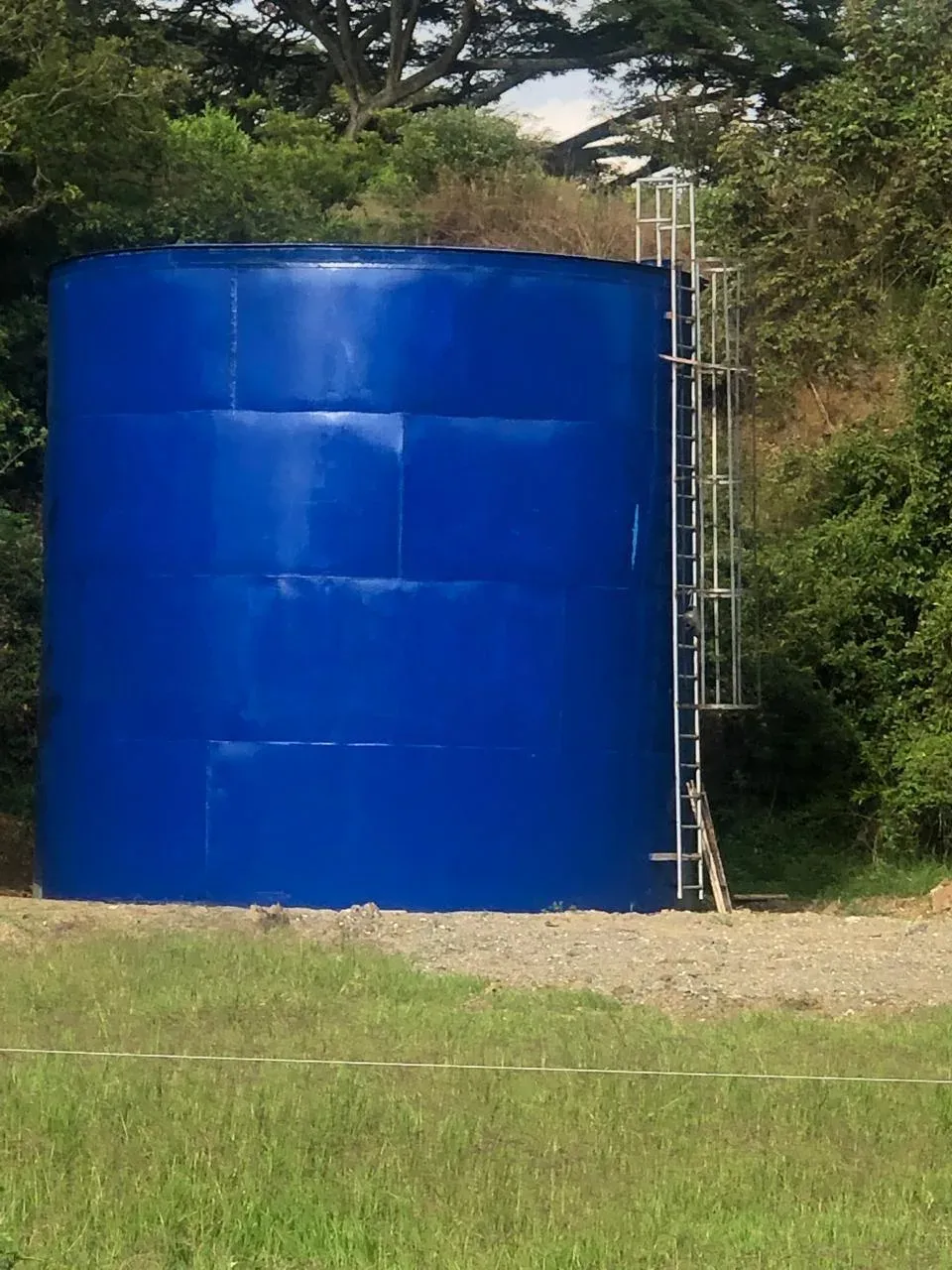
Stage 3: Water storage and treatment
The development has a water storage tank and a water treatment plant. On rural land, water supply is one of the first things to confirm, and one of the most expensive to solve late.
Condominio Sorrento, Tuluá, Valle
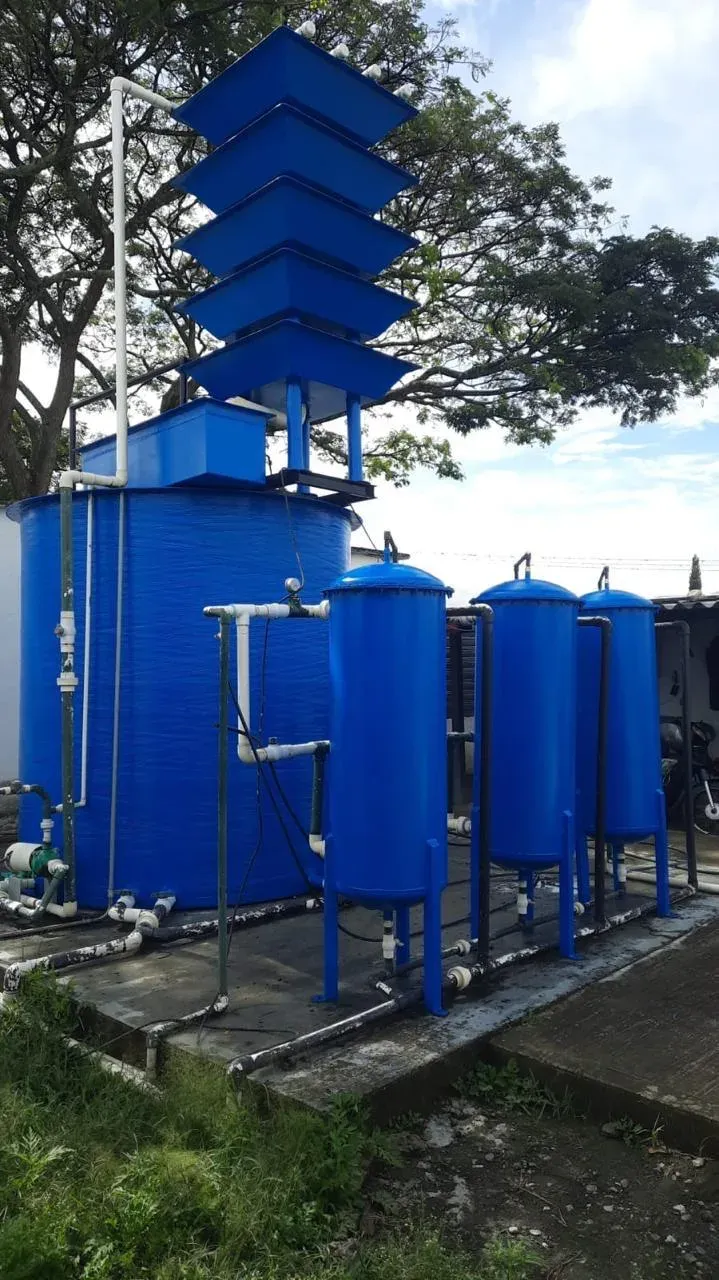
Condominio Sorrento, Tuluá, Valle
Stage 4: Common areas and lighting
Common areas include covered shelters and paved parking areas, with outdoor lighting along the internal roads.
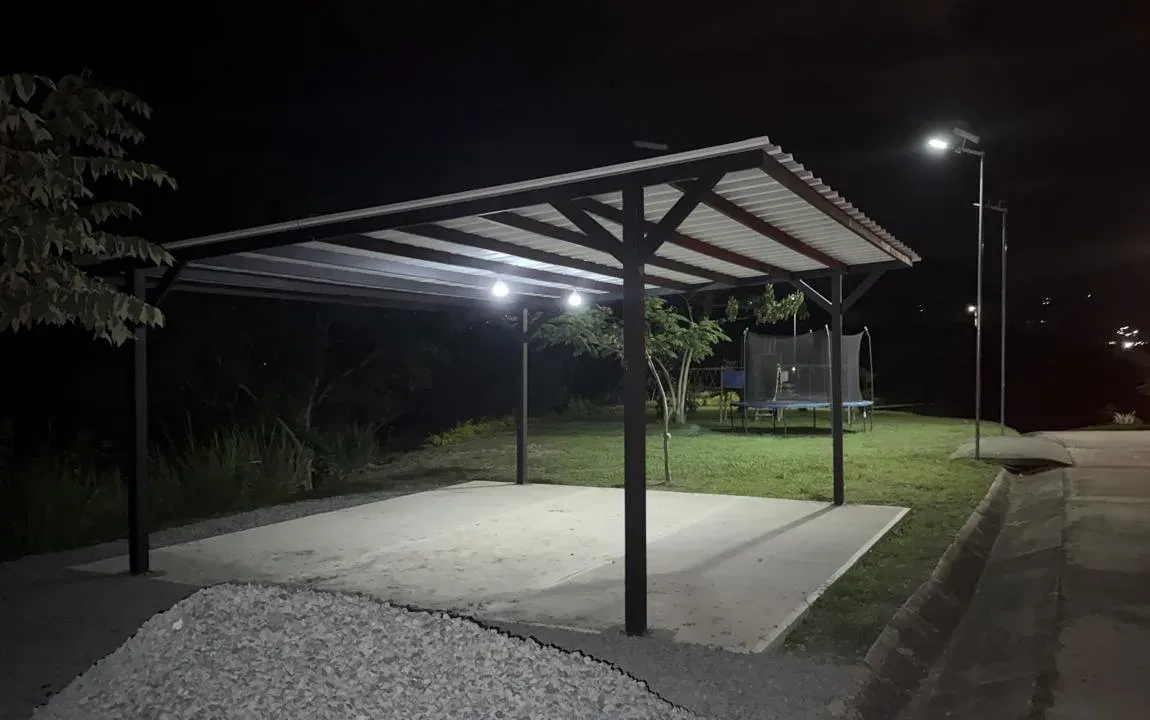
Condominio Sorrento, Tuluá, Valle
Stage 5: Houses
The houses are built on prepared platforms on the slope. The house shown here has 350 m². The project covered all of its designs and its construction, from December 2019 to September 2020, so the same team that designed it was responsible for building it. The photo below shows a house at the structure stage, before finishes. This is the stage where the structure can still be checked: after the finishes are applied, most of it is hidden.
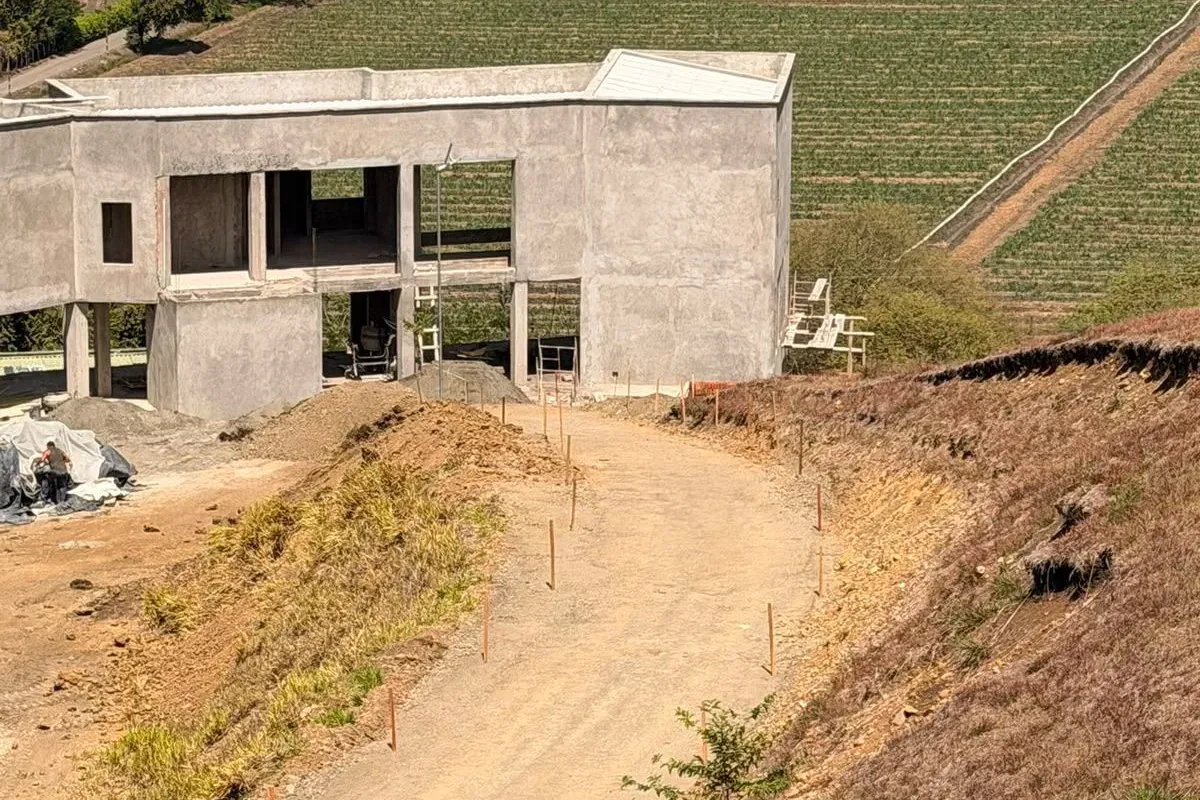
Condominio Sorrento, Tuluá, Valle
And the finished house:
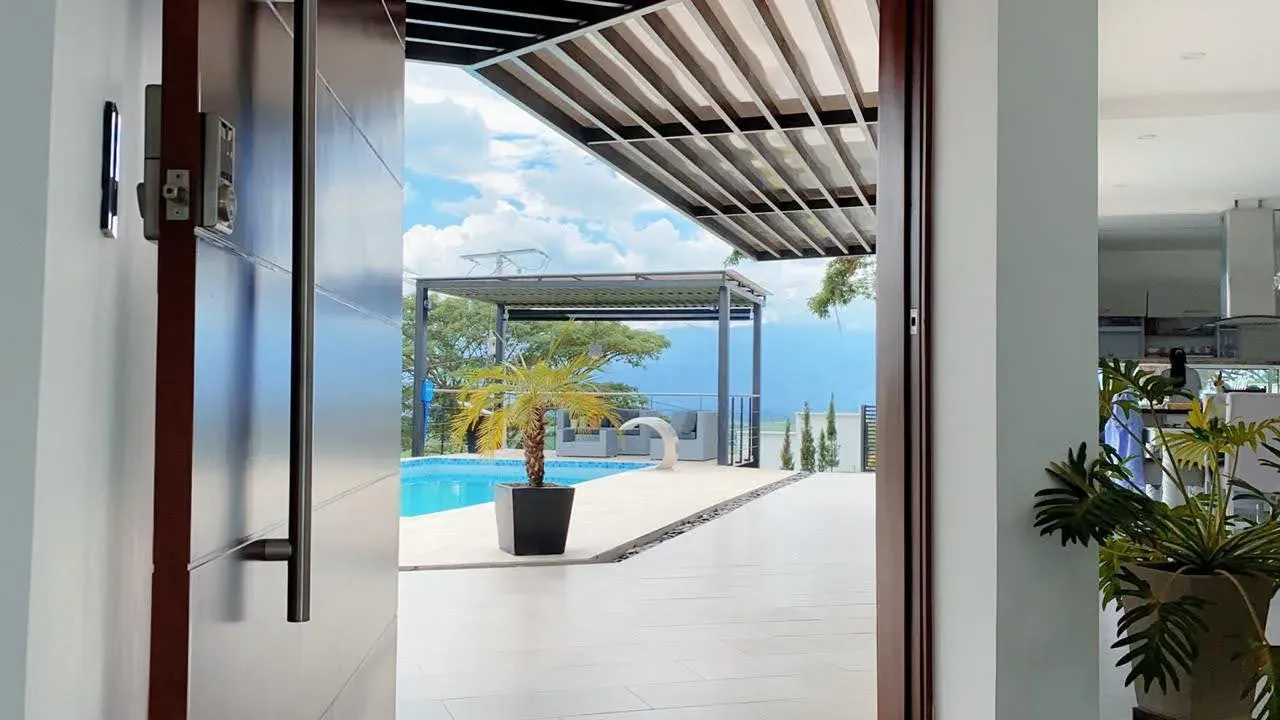
Condominio Sorrento, Tuluá, Valle
The main challenge: a schedule tied to the budget
The problem John had to solve on the house was planning. The schedule and the budget were managed as one plan, not as two separate documents: each activity in the schedule had its cost, and each payment corresponded to work that was due at that point.
The result: the house was finished on time and within budget. Keeping the schedule and the budget together from December 2019 to September 2020 is what showed that the build had been planned correctly.
It matters because of what happens when they are separate. A delay then looks like a problem of dates only, and its cost appears later, when it is harder to correct. When the schedule carries the money, a delay is seen as a cost on the day it starts. Our guide to construction costs in Colombia explains what makes up a budget.
What this means for a buyer
A buyer usually sees the last photo. The value of the property depends on the five stages before it: whether the land was measured, how the roads and the drainage were built, where the water comes from, and how the structure was built before it was covered.
Those are the things an independent engineer checks for a foreign buyer, together with the schedule and the budget of the work, on a single house or on a plot inside a development. See property due diligence and construction oversight.